The blog
Guides for tracking what matters
Practical, plain-language posts to go with our journals. New posts are added regularly.
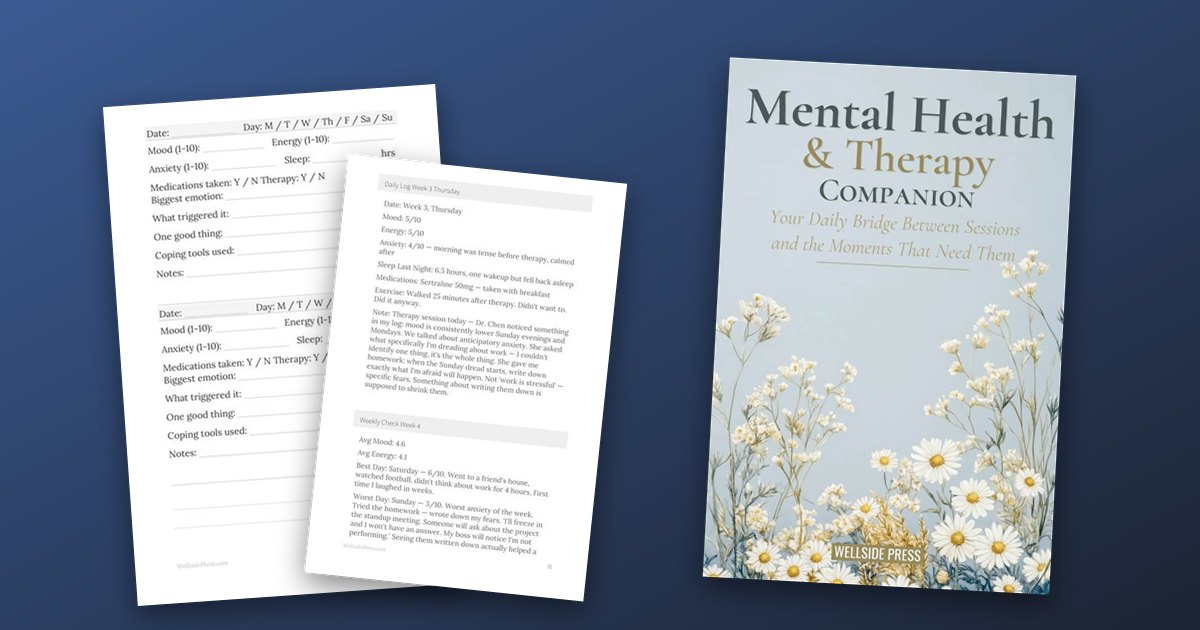
How to Prepare for Your Therapy Session (So You Don't Waste It)
A 5-minute pre-session routine that transforms therapy from 'I don't know where to start' into a focused, productive conversation. With a free session prep template.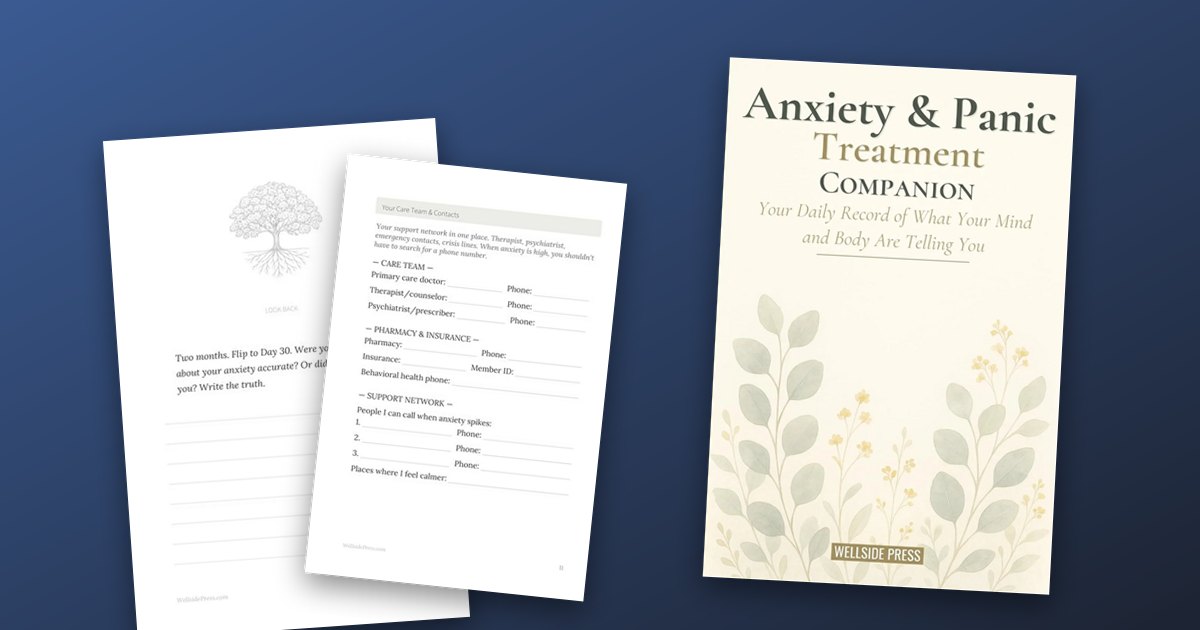
How to Track Anxiety Triggers: A Daily System That Actually Works
Anxiety patterns hide in plain sight until you start tracking them. Here's a simple daily system for identifying your triggers, measuring what helps, and turning chaos into data.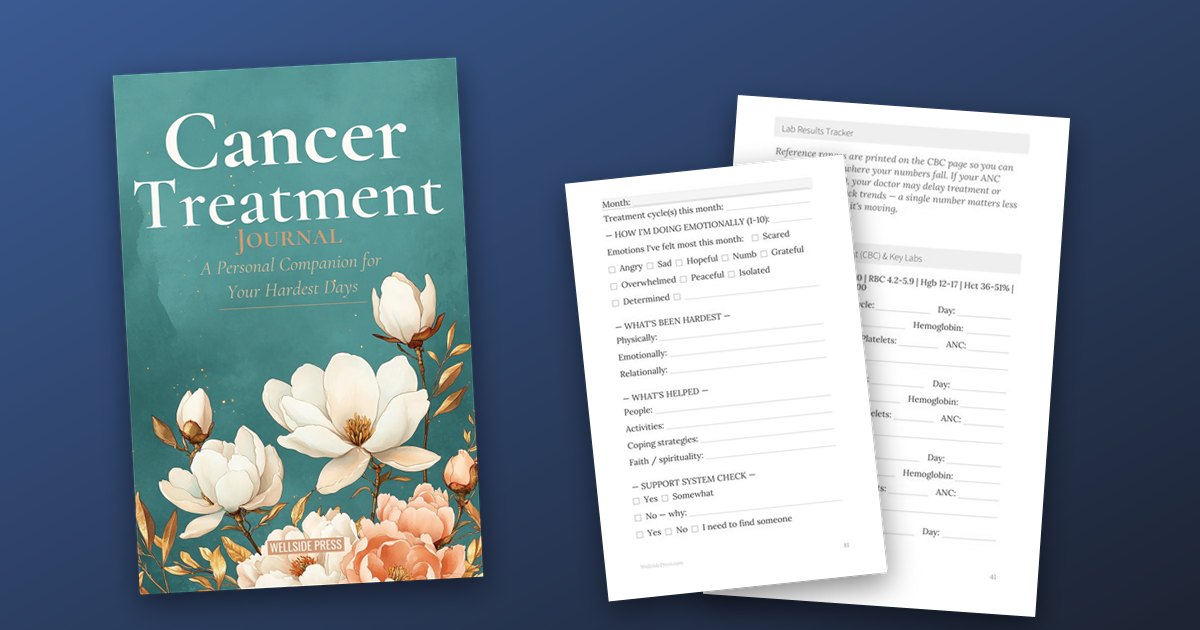
After a Cancer Diagnosis: What to Do First
You just got the diagnosis. Here's what to do in the first 48 hours, the first week, and the first month — a practical, plain-language checklist to keep your questions and notes organized.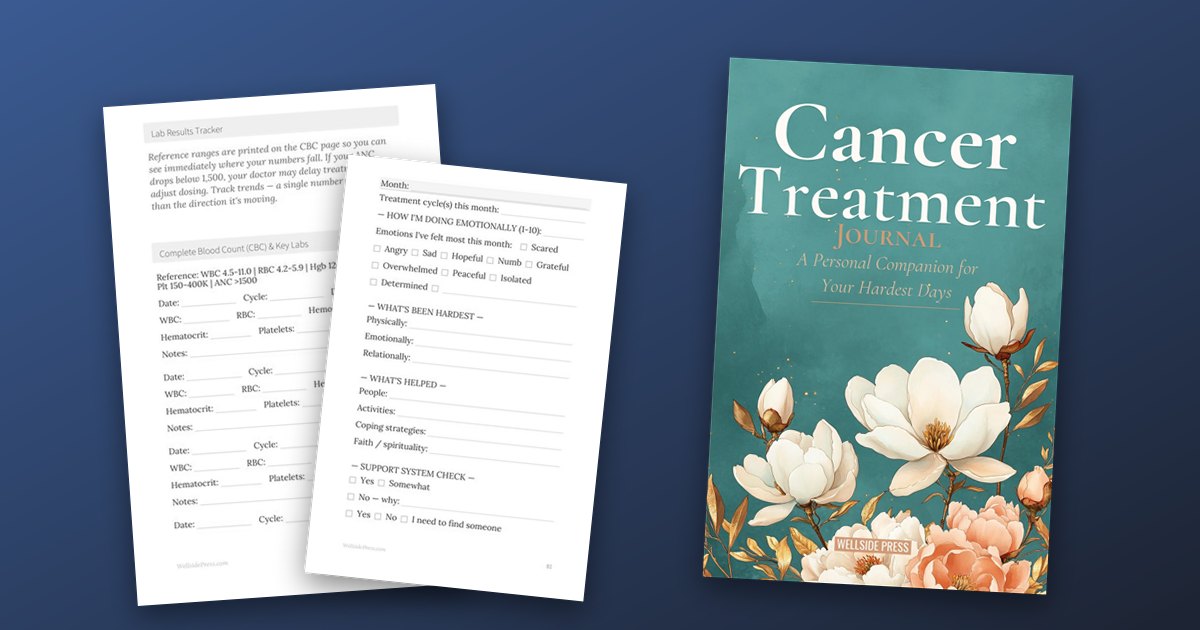
How to Stay Organized During Cancer Treatment
A practical system for organizing medications, appointments, insurance paperwork, and side effects during cancer treatment — without losing your mind.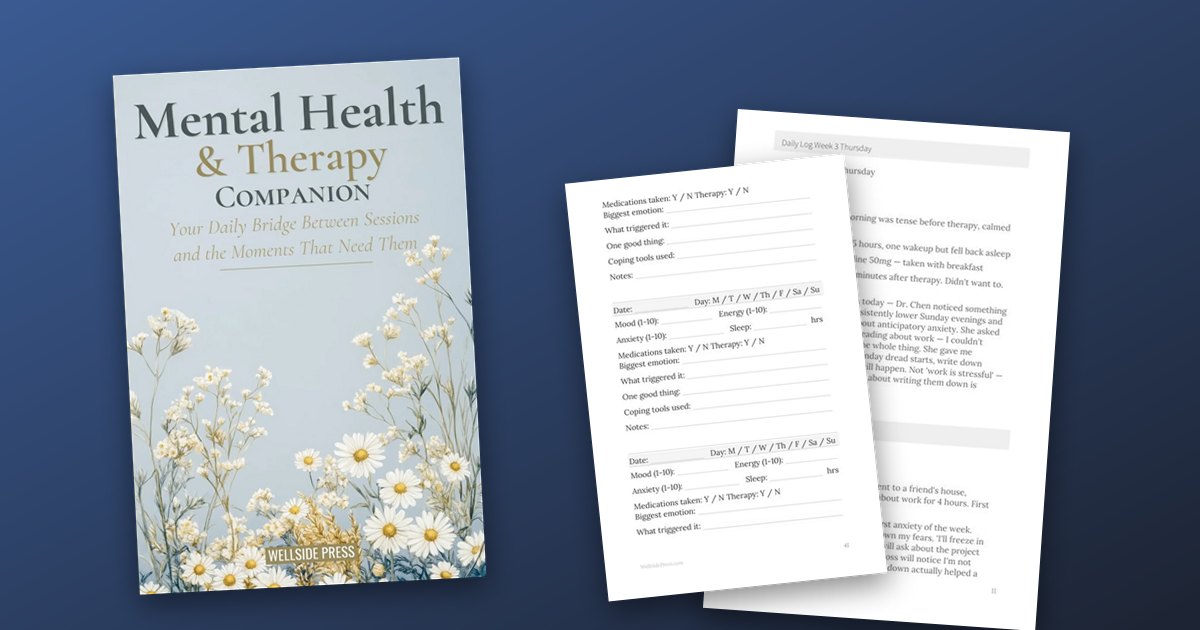
What to Write in a Therapy Journal: A Practical Guide
Not sure what to write in your therapy journal? Here are 20 prompts, a daily framework, and a system that actually works between sessions.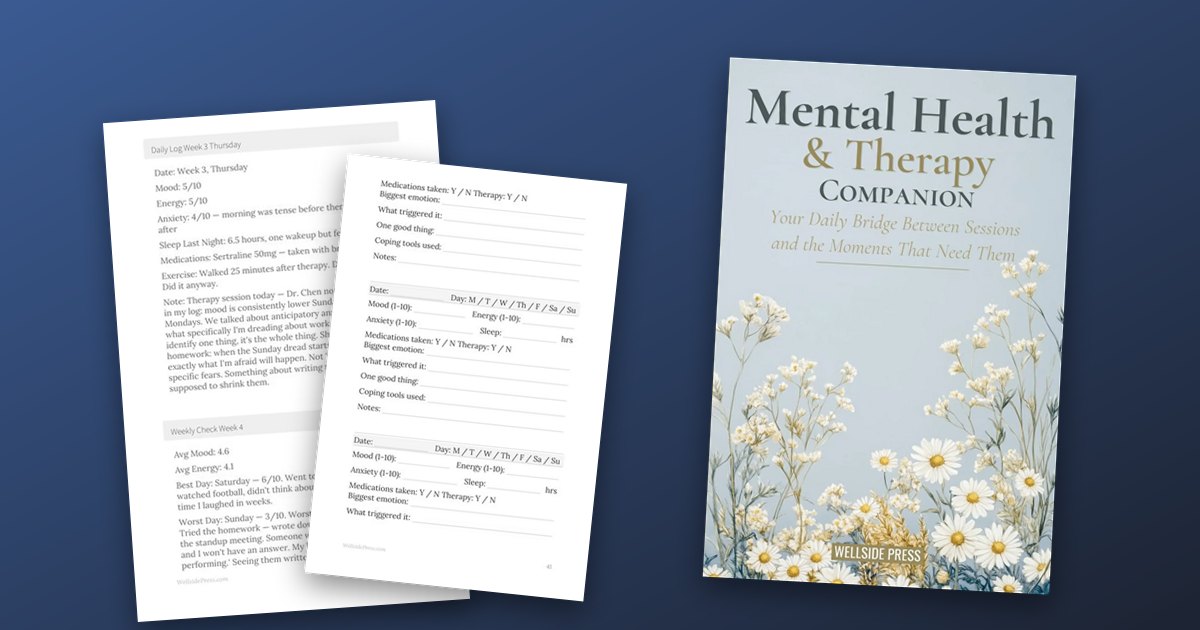
Why Do I Forget Everything Between Therapy Sessions? (And How to Fix It)
You're not broken — forgetting what happened in therapy is normal. Here's why it happens and a simple journaling system that can help you remember what matters.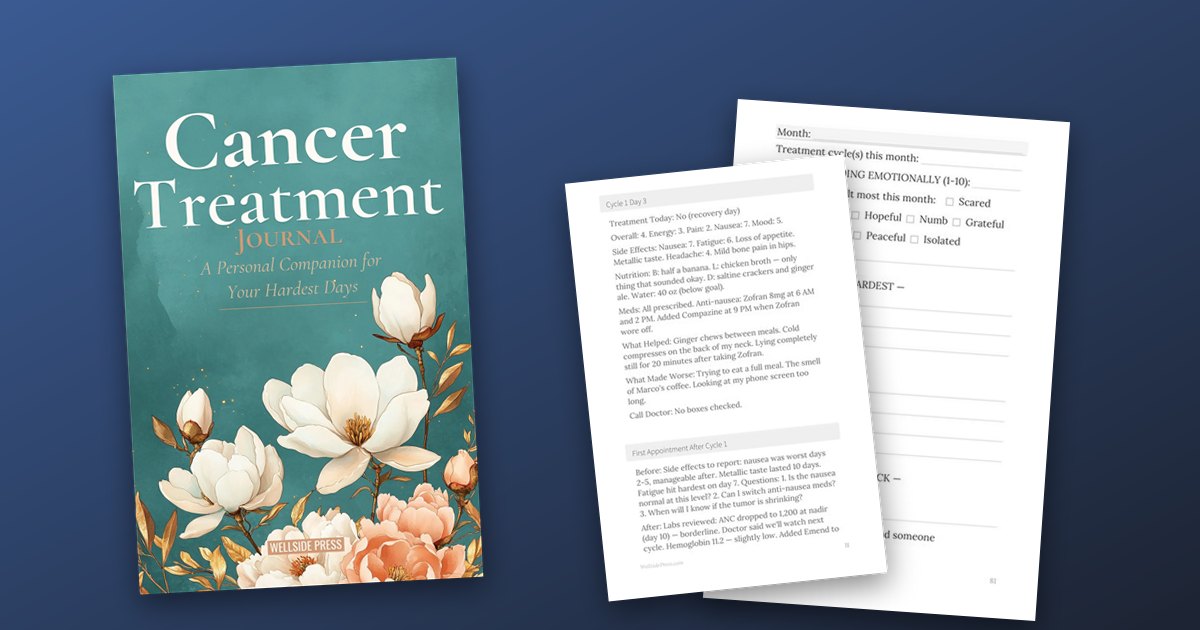
Journaling During Cancer Treatment: A Practical Guide
How some people use a journal during cancer treatment to write out feelings, keep symptom notes, and prepare questions for their care team. General information, not medical advice.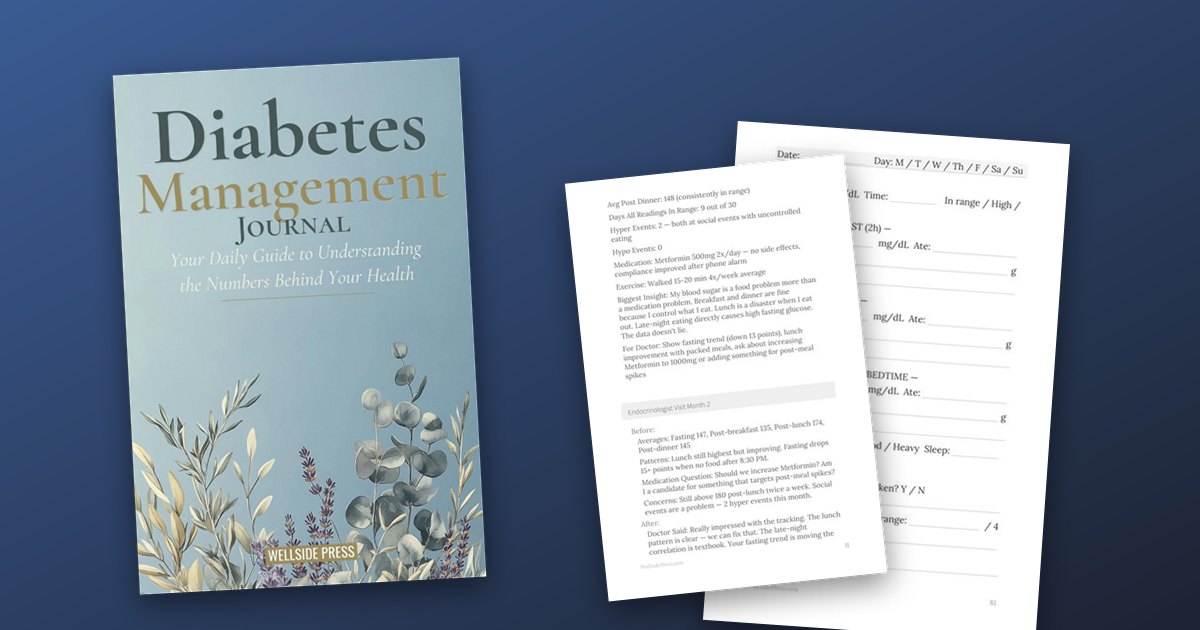
Diabetes Tracking: Why Your Endocrinologist Wants Better Data
Blood sugar numbers tell a story — but only if you capture them consistently. Here's why structured diabetes tracking leads to better A1C results and more productive doctor visits.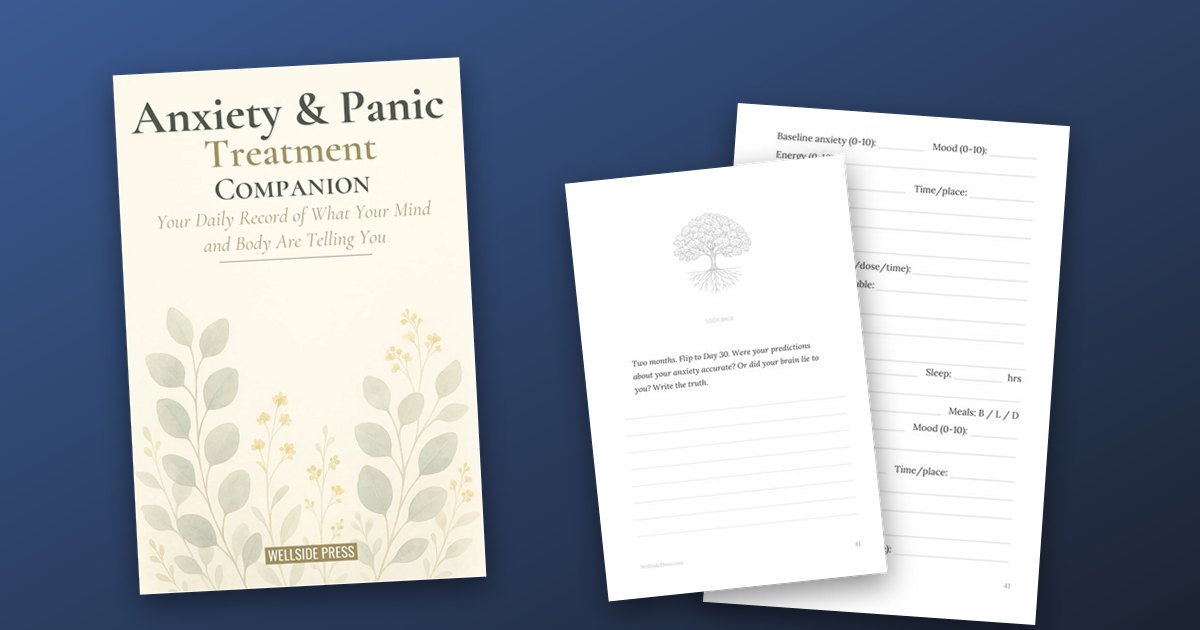
How Anxiety Journaling Helps You Find Your Triggers
Anxiety patterns hide in plain sight until you start tracking them. How structured journaling reveals triggers, measures coping strategies, and turns chaos into data your therapist can use.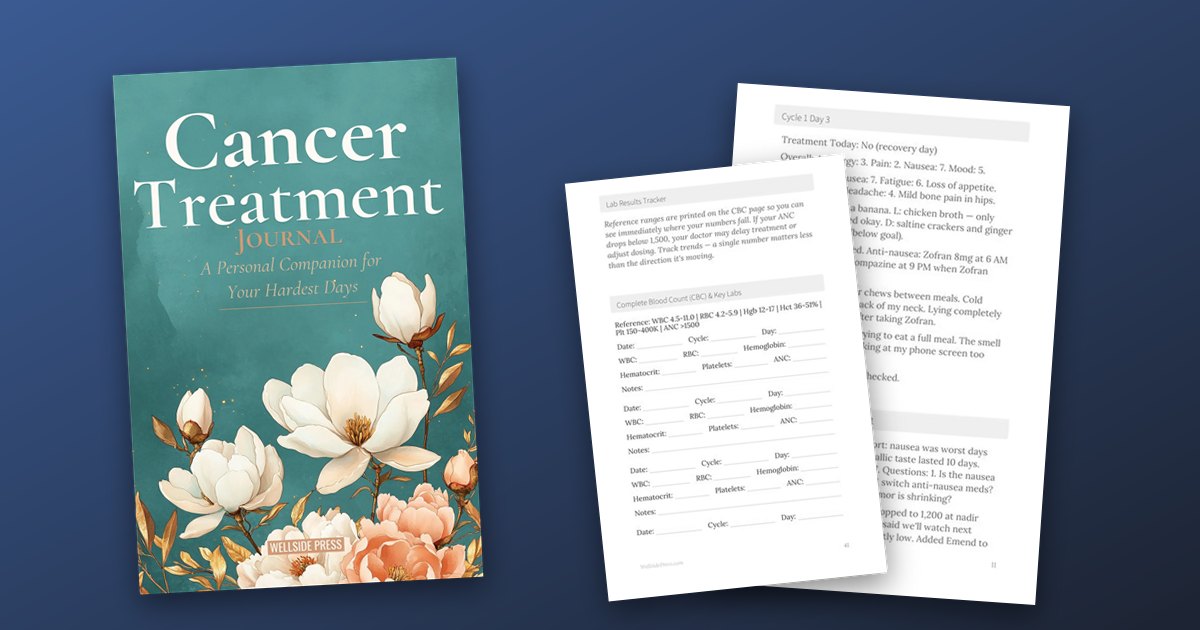
How to Track Chemo Side Effects Between Appointments
A simple, practical system for tracking chemotherapy side effects daily so you can report accurately to your oncologist and get better care.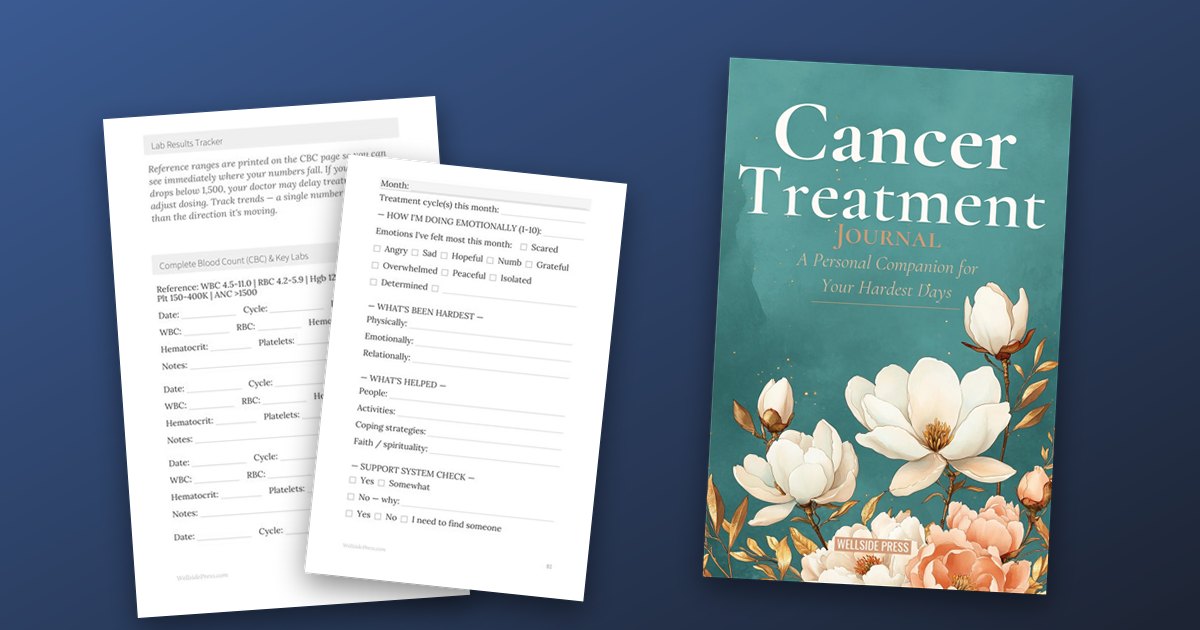
50 Questions to Ask Your Oncologist at Every Appointment
A printable list of 50 essential questions to ask your oncologist — organized by first visit, during treatment, and follow-up. Never leave an appointment wishing you'd asked something.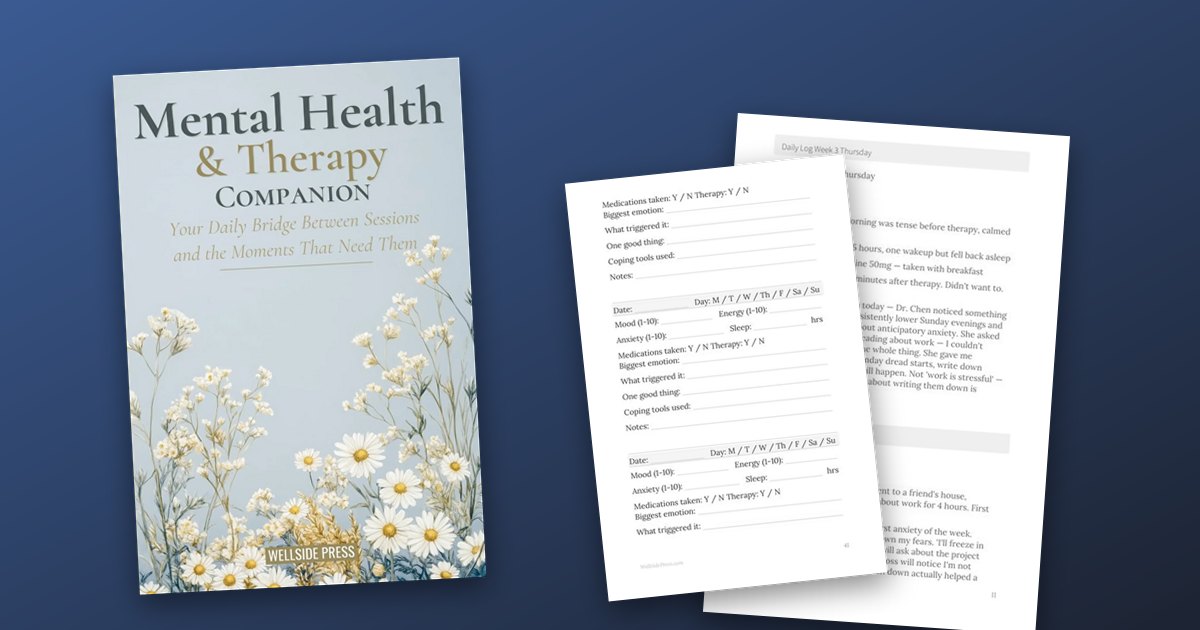
The 167-Hour Gap: Why Therapy Journals Work
Therapy happens 1 hour a week. Life happens the other 167. Many people find that between-session notes help them remember what they want to discuss. Not a substitute for professional care.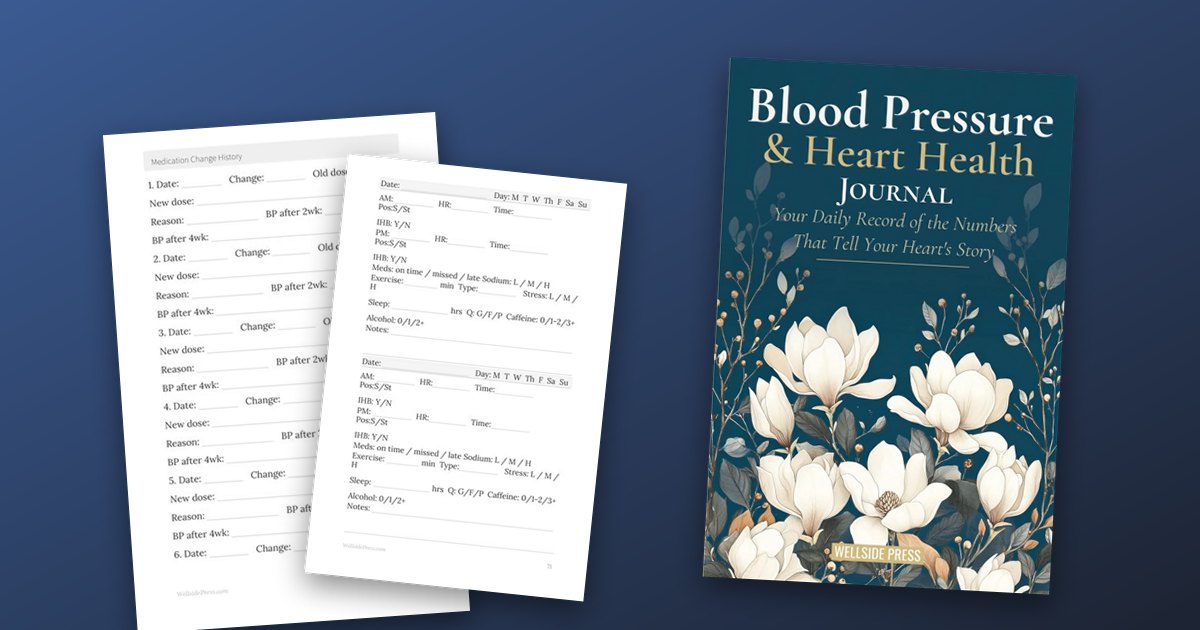
The Case for Tracking Your Blood Pressure at Home
Nearly half of American adults have hypertension. Home blood pressure monitoring — combined with structured tracking — gives you and your care team a clearer record of your readings.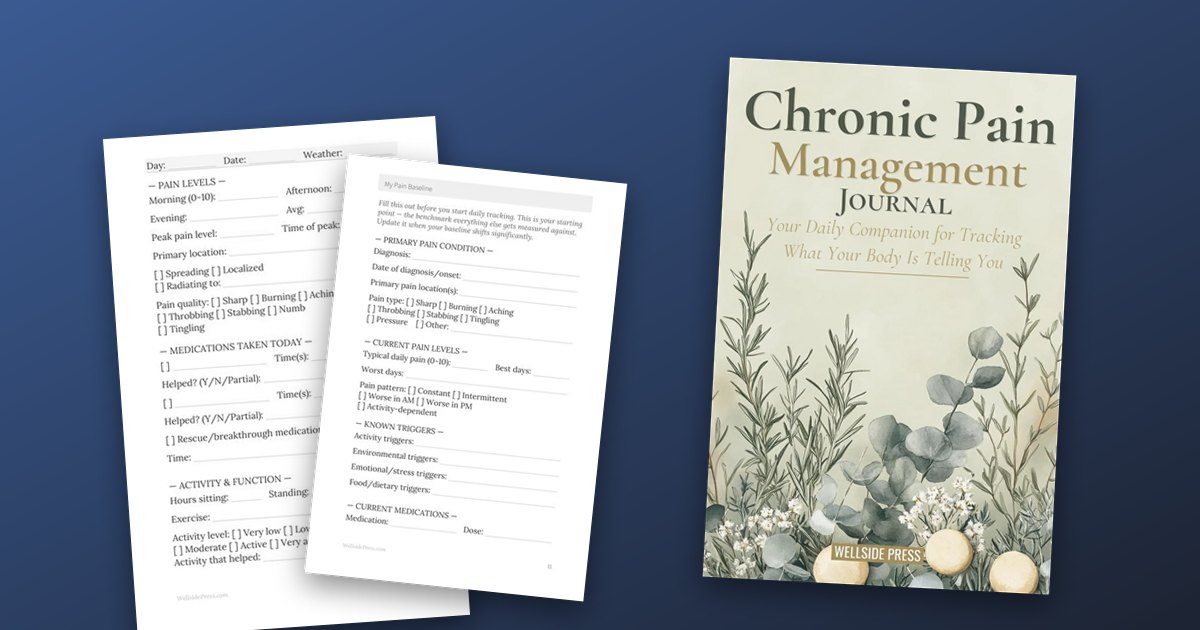
What Chronic Pain Patients Wish Their Doctors Understood
Chronic pain is invisible, inconsistent, and nearly impossible to describe accurately from memory. Structured pain tracking bridges the communication gap between patients and providers.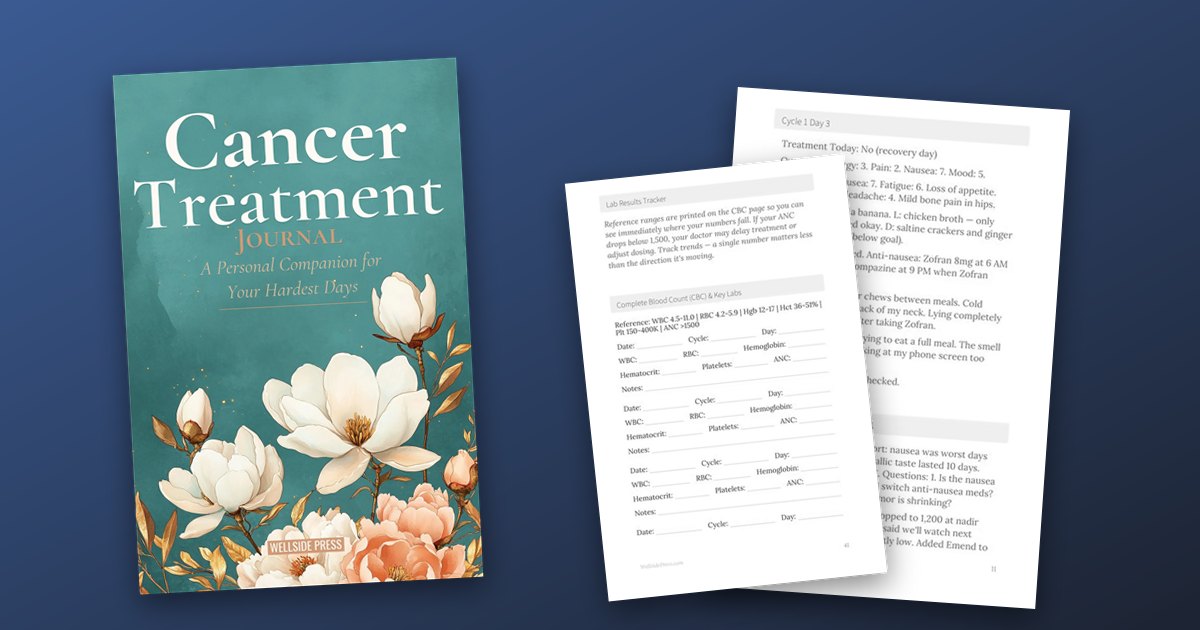
What to Bring to Chemo: The Complete First-Timer's Checklist
A practical, calming checklist of everything to bring to your first chemotherapy appointment — from comfort items to medical documents. Created by Wellside Press.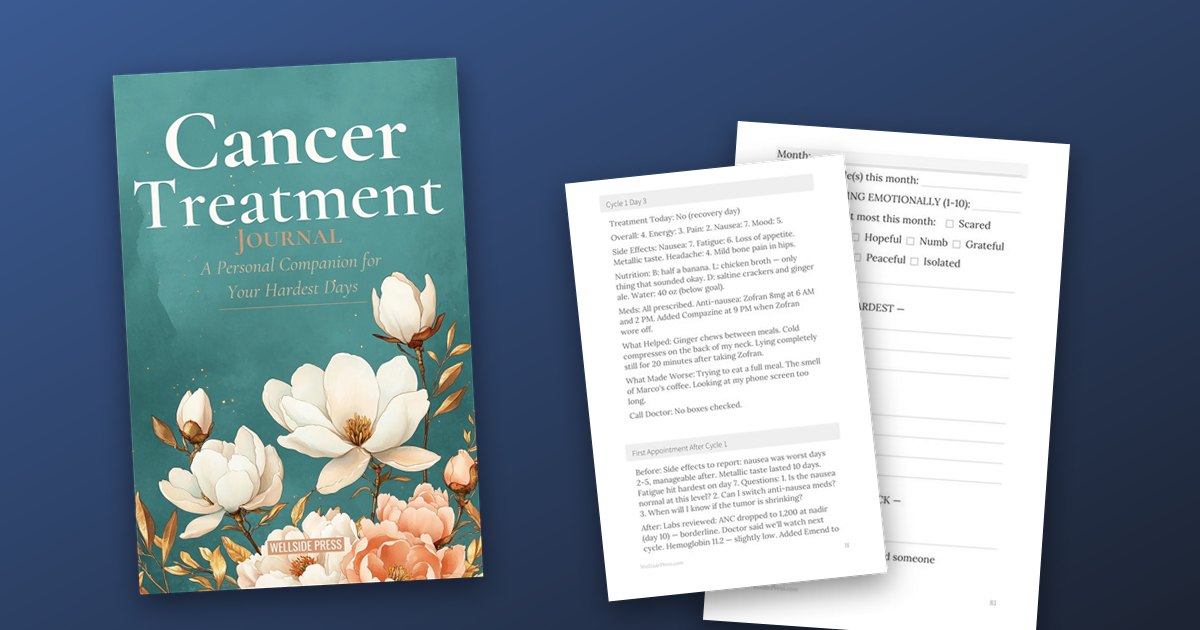
Why Cancer Patients Need a Treatment Journal
Organized symptom, medication, and side-effect notes can help you prepare for appointments with your care team. Not medical advice.
Why Serious Anglers Keep a Fishing Log
The best anglers don't rely on memory alone. A structured fishing log turns scattered experiences into a personal database that makes every future trip more productive.
Free journaling starter guide
Start journaling in five minutes
A short, practical PDF with prompts you can use today. Join the list and we will also send new journals and posts when they are ready. No spam.